

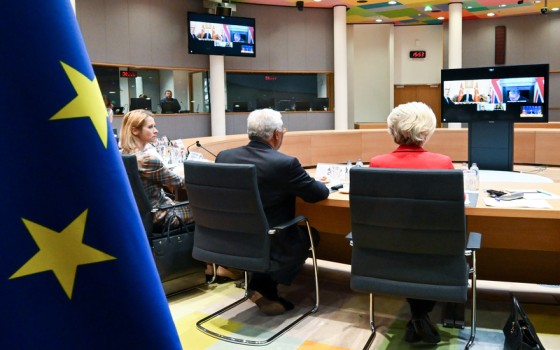
Following a summit meeting with Middle Eastern leaders on the war in Iran, the European Union stated: "We will work together to restore peace and stability, and we are committed to partnership, security, and prosperity in the region."

- Europe and Arabs
- Tuesday , 10 March 2026 5:26 AM GMT
Brussels: Europe and the Arabs
European Council President António Costa and European Commission President Ursula von der Leyen exchanged views with the leaders of Jordan, Egypt, Bahrain, Lebanon, Syria, Turkey, Armenia, Iraq, Qatar, Kuwait, the United Arab Emirates, Saudi Arabia, and Oman on the latest developments related to the war in Iran, including the unacceptable attacks on countries in the region and their impact on energy security. This videoconference is a continuation of the solidarity and diplomatic efforts undertaken, building on the contacts made by the two presidents since the beginning of this crisis, and on previous efforts by High Representative Kaya Kallas. According to a statement released in Brussels on Monday evening, the two presidents reiterated their condemnation in the strongest terms of Iran's indiscriminate attacks and expressed their full solidarity with the people of the region.
They also thanked regional leaders for their assistance and support in repatriating tens of thousands of European citizens stranded in their countries when the war broke out.
The European Union has long been a reliable partner of the region in these difficult circumstances and stands ready to contribute in every way possible to help de-escalate the situation and facilitate a return to the negotiating table. While the rules-based international order is under pressure, we firmly believe that dialogue and diplomacy are the only viable way forward.
The EU has remained consistent in its position on Iran's activities and has repeatedly called on its leadership to end its nuclear program and curb its ballistic missile program. The EU also condemns the unacceptable repression and violence perpetrated by the Iranian regime against its own citizens.
The two presidents reaffirmed their commitment to regional stability and called for the protection of civilians, full respect for international law and international humanitarian law, and adherence to international humanitarian law. In accordance with the principles of the UN Charter.
President Costa and President von der Leyen noted the importance of the maritime defense operations "Aspidis" and "Atalanta," which aim to protect vital waterways and prevent any disruption to essential supply chains. They also expressed their readiness to develop and enhance these operations as needed.
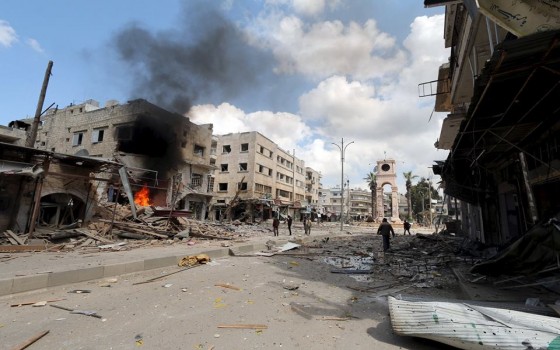
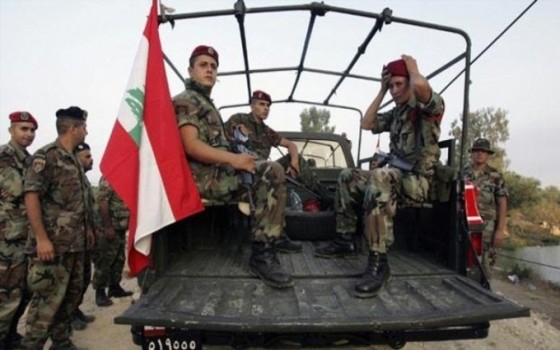
The leaders expressed their deep concern about the repercussions of the regional crisis on Lebanon, its severe impact on civilians, and the resulting large-scale displacement. They stressed the need to protect civilians and respect Lebanon's sovereignty and territorial integrity. In this context, President von der Leyen announced the mobilization of the European Relief Organization (ReliefEu) stockpiles to support approximately 130,000 people in Lebanon, with the first flight scheduled for tomorrow.
The regional leaders exchanged analyses of the situation in their respective countries and the region as a whole. They also discussed the impact of attacks on energy infrastructure and the potential closure of the Strait of Hormuz on global energy security and explored ways to strengthen cooperation with Middle Eastern partners to mitigate these risks.
They also agreed to remain in close contact to assess any future developments and work together to address these issues. The path to peace.
The European Union will work with countries in the region to restore peace and stability to the Middle East and the Gulf region, reaffirming its enduring commitment to partnership, security, and prosperity in the region.






No Comments Found