

A struggle within EU institutions over the management of foreign and security policies: A Franco-German alliance and a mobilization of support to further marginalize Kaja Kallas and grant more powers to the Commission Presidency

- Europe and Arabs
- Thursday , 3 September 2026 6:18 AM GMT
Brussels: Europe and the Arabs
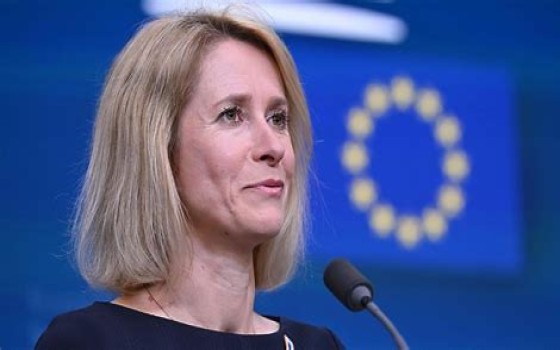
The activity of European diplomacy, led by High Representative for Foreign Affairs and Security Policy Kaia Kallas, has noticeably declined over the past two years since she took over from Spaniard Josep Borrell. This decline has been evident to all, amidst controversy surrounding attempts to marginalize the role of the High Representative and transfer a significant portion of the powers to the European Commission. In an effort to shed light on this issue, the Brussels-based Playbook magazine, the European edition of the American magazine Politico, published a report titled: "Inside the Battle to Save the EU's Diplomatic Arm." The report states: "Kaia Kallas, the EU's top diplomat, is leading a concerted behind-the-scenes effort to counter a Franco-German push to reform her diplomatic apparatus, according to officials and diplomats interviewed by Nicholas Fincorer in Ireland."
This confrontation, which includes lobbying EU capitals and tasking the new Secretary-General with leading the development of alternative reform plans, aims to prevent radical changes that could grant the European Commission, headed by Ursula von der Leyen, greater control over the work currently overseen by Kallas. The High Representative is scheduled to chair a plenary meeting today at which the new Secretary General of the European External Action Service (EEAS), Kaisa Ollongren, will be introduced. Ollongren is currently touring capitals to solicit her views on the diplomatic service, three EU officials and one diplomat told Playbook. They were granted anonymity to discuss these sensitive maneuvers.
In-depth look: The officials said they expect Ollongren to unveil plans for a “council of wise men,” or task force, to lead discussions on EEAS reform separately from the Franco-German efforts. Ollongren’s predecessor as Secretary General, Belén Martínez Carbonell, has postponed her leadership of the EU delegation to Mexico to advise Ollongren on this process, while Charles Friese, a senior EEAS official, will also offer his input, according to the officials and diplomats.
A maneuver by proxy: Two EU diplomats said these plans signal Callas's eagerness to take the lead in the reform debate after EU foreign ministers gave a lukewarm reception to Franco-German proposals during talks at Wicklow, Ireland, on Wednesday.
Retreat: Talk of reforming the EU's 15-year-old diplomatic service has dominated Brussels amid a flood of leaked position papers and criticism that the European External Action Service is no longer fit for purpose in a world dominated by brute force politics.
At Wicklow, Callas agreed with the Franco-German objective of accelerating the pace of EU foreign policy and strengthening its ability to protect the bloc's interests. But she made it clear that the obstacles stemmed from rules requiring unanimity on foreign and security policy and from the improper implementation of EU treaties, not from the institutional structure.
"There was no support for concentrating everything in the Commission without effectively activating the [High Representative for Foreign Affairs] role," she told reporters after a discussion with EU foreign ministers. She added that treaties and legal texts theoretically grant her the authority to oversee the Commission's foreign policy units, which is precisely what the Franco-German paper proposes.
Callas also pointed out that these changes would be ineffective if they diminished her independence and made her accountable to "someone else," in this case, the Commission president. "If someone above me is actually making the decisions, it won't work," she said.
In conclusion: In the ongoing struggle over the future of the European External Action Service, it is now Callas's turn to play her part.



No Comments Found