

UNHCR: Nearly 90 Million Displaced People Face Severe Climate Risks – Warning Issued Ahead of UN Climate Conference in Antalya, Turkey

- Europe and Arabs
- Saturday , 7 November 2026 5:56 AM GMT
New York – Europe and the Arabs
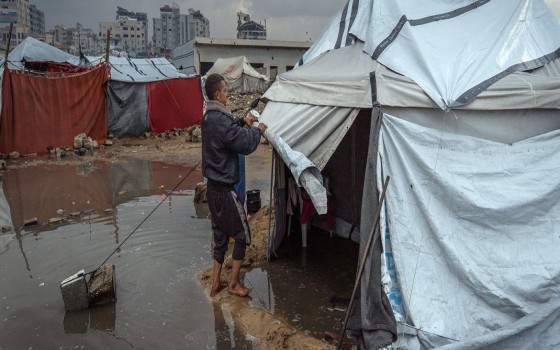
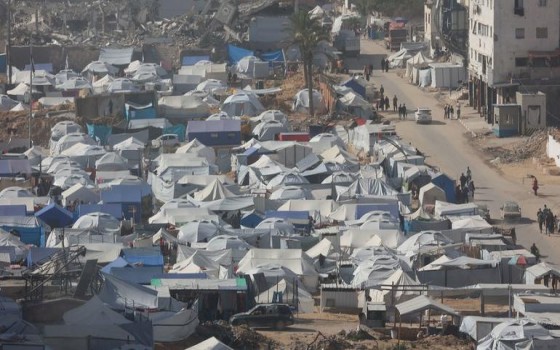
Nearly 90 million forcibly displaced people—three out of every four displaced individuals globally—live in countries facing high to extreme levels of climate-related threats, including severe droughts, deadly floods, and extreme heat.
This is according to a new report by the UN Refugee Agency (UNHCR), which has called for urgent action to protect millions of refugees and other forcibly displaced people who are increasingly confronting devastating climate impacts. The call comes just days before the UN Climate Change Conference (COP31) in Antalya, Turkey.
Antón Leis García, UNHCR’s Assistant High Commissioner for Operations, stated that refugees face a "double injustice": not only were they forced to flee conflicts they did not cause, but they now find themselves on the front lines of a climate crisis to which they have contributed very little.
He added: "For millions, climate change is not a distant threat; it is a reality that destroys shelter, undermines livelihoods, and threatens their hopes of rebuilding their lives. We cannot allow those who have already lost so much to be left behind in the global climate action agenda." According to the United Nations’ daily news bulletin, a copy of which we received this morning, the report highlights the following key points:
More than two out of every three refugees who returned home during the first half of 2026 went back to countries highly vulnerable to climate risks, raising concerns about the sustainability of their return.
In Syria, where approximately 4 million displaced persons and refugees have recently returned, falling groundwater levels and severe climate shocks are hindering recovery efforts.
By 2050, one in three refugee camps in sub-Saharan Africa could face at least 100 days of dangerous heat annually.
Weather-related disasters have caused more than 255 million internal displacements globally over the past decade—an average of about 70,000 per day.
Projections for East Africa indicate that severe flooding—linked to an exceptionally strong El Niño phenomenon—could displace up to 3 million people across Somalia, Kenya, South Sudan, and Uganda by the end of 2026.
Climate change is increasing the risk of statelessness; nearly 90% of the world’s 4.7 million stateless people live in countries facing high to extreme climate risks. Climate Finance
The UNHCR has pointed out that climate finance continues to fall short of reaching those who need it most; fragile and conflict-affected states receive only about 10% of total global climate finance.
The Assistant High Commissioner emphasized that investing today in strengthening resilience, providing livelihoods, and developing sustainable solutions can help prevent future waves of displacement.
At the climate summit, the UNHCR intends to call on governments and climate finance institutions to include refugees and displaced persons in national climate plans and financing mechanisms. It will also urge them to direct more long-term adaptation investment toward fragile, displacement-affected regions, and to shift from short-term humanitarian aid toward more sustainable, community-led solutions.
While the world now possesses more tools than ever to combat climate change, millions of people remain unable to access or benefit from them. With the rapid advancement of clean energy technologies, the challenge facing nations at the annual UN climate conference is no longer just about finding solutions, but also ensuring that they are affordable and accessible to everyone.
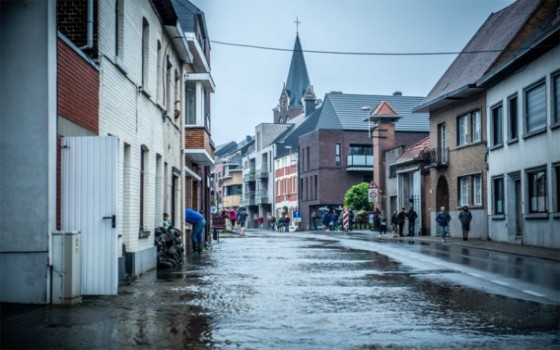
Recent years have seen catastrophic floods, deadly heatwaves, and prolonged droughts. Scientists warn that the world is on a path to exceed the threshold of 1.5°C of global warming above pre-industrial levels. Against this backdrop—and with a strong El Niño phenomenon expected to exacerbate the impacts of climate change—officials from more than 190 countries, along with representatives from various sectors, are gathering in the Turkish city of Antalya from November 9 to 20 for the 31st Conference of the Parties to the United Nations Framework Convention on Climate Change (COP31).
While fossil fuels (such as oil and gas) remain the primary driver of greenhouse gas emissions, the technologies needed to transition away from them are advancing at an unprecedented pace.
Yet, many countries still struggle to take advantage of these technologies. Why?
Ahead of the climate conference, UN News spoke with Selwin Hart, the UN Special Adviser on Climate Action and Just Transition, about key issues in this field, the obstacles hindering progress, and what another round of climate diplomacy can realistically achieve.
What is the 31st Conference of the Parties (COP31)?
The term "COP" stands for "Conference of the Parties"—with "parties" referring to the signatories of the United Nations Framework Convention on Climate Change.
These annual gatherings allow governments to assess progress and negotiate how to address a challenge that no single nation can solve on its own. The conference held in Paris in 2015 resulted in the historic Paris Agreement on climate change, in which nations committed to keeping the rise in global temperature well below 2 degrees Celsius, while pursuing efforts to limit it to 1.5 degrees Celsius above pre-industrial levels.
Conferences of the Parties (COPs) are no longer merely intergovernmental negotiations; they now involve increasing participation from businesses, scientists, Indigenous peoples, youth, and civil society organizations—a reflection of the scale of the challenge.
"There is now a clear recognition," explains Selwin Hart, "that addressing the climate crisis requires a collective, all-hands-on-deck effort."




No Comments Found