

The International Criminal Court briefs the Security Council on the latest developments in the Darfur and El Fasher war crimes case

- Europe and Arabs
- Wednesday , 21 January 2026 7:12 AM GMT
The Hague: Europe and the Arabs
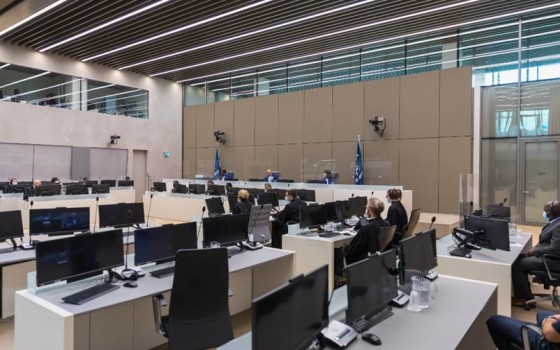
A statement issued by the headquarters of the International Criminal Court in The Hague, Netherlands, a copy of which we received, said that the Deputy Prosecutor of the International Criminal Court, Nezhat Shamim Khan, addressed the United Nations Security Council on the situation in Darfur, Sudan, via video link from The Hague. The following is the text of her statement:
Mr. President, thank you for the opportunity to brief the Security Council today. I had hoped and intended to be with you in the Council Chamber today, particularly given the critical nature of this moment in Darfur, but I regret that I have not received a visa that would allow me to deliver my briefing in accordance with the mandate given to me by the Council.
Allow me also to express my gratitude to the Permanent Representative of Sudan to the United Nations for his presence.
Mr. President, Your Excellencies, since I last addressed this Council, the situation in Darfur has deteriorated. The people of Darfur are, at this very moment, being subjected to mass torture.
Mr. President, Your Excellencies, the fall of El Fasher to the Rapid Support Forces was accompanied by a systematic and deliberate campaign of inflicting immense suffering, specifically targeting non-Arab communities. This campaign included widespread rape, arbitrary arrests, executions, and mass graves. Many of these crimes were filmed and celebrated by their perpetrators. This appalling situation continues, fueled by complete impunity.
Our response to this must not be limited to empty words here in this chamber, but must be translated into concrete action on the ground.
As I have outlined in my report, the Office of the Prosecutor is working intensively to gather evidence and expedite its investigations, in cooperation with the affected communities, into the crimes committed in El Geneina, West Darfur, and El Fasher, North Darfur.
Mr. President, Your Excellencies, based on the information and evidence gathered by the Office of the Prosecutor during this period, including video and audio recordings and satellite data, the Office of the Prosecutor concludes that war crimes and crimes against humanity were committed in El Fasher, particularly in late October, at the height of the siege of the city by the Rapid Support Forces (RSF).
The videos analyzed by the Office show a similar pattern of crimes previously documented, allegedly committed by the RSF in other areas of Darfur, including the detention, ill-treatment, and killing of members of non-Arab tribes. The videos show RSF members celebrating summary executions and then desecrating the bodies.
Our work has focused on verifying these images through other sources, with the aim of holding individuals accountable for these acts. This has included:
Analyzing satellite imagery indicating mass killings and attempts to conceal crimes through the creation of mass graves;
Contacting affected communities and identifying potential witnesses to obtain and verify primary information; Analysis of satellite imagery indicating mass killings and attempts to conceal crimes through the creation of mass graves;
Contacting affected communities and identifying potential witnesses to obtain and verify initial information; processing reports from civil society organizations and other partners, which corroborated the photographic evidence collected.
The emerging picture is horrific: organized, widespread, and mass crimes, including mass executions; atrocities used as a tool of control.
As I reported, with regard to El Geneina, the Office has made significant progress in its investigative work.
We interviewed eyewitnesses to the attacks in countries hosting Sudanese refugee communities. They provided compelling evidence of attacks on camps for internally displaced persons, looting, indiscriminate targeting of civilians, arrests, gender-based crimes, and crimes committed against and affecting children.
Evidence suggests that the patterns of atrocities witnessed in El Geneina in 2023 were repeated in El Fasher in 2025.
These crimes are being repeated in Darfur’s cities, one after another. They will continue until this conflict and the impunity that fuels it are brought to an end.
As I emphasized to the Council in my last briefing, we are ensuring a comprehensive and effective approach to investigating gender-based crimes as part of our investigations.
There is no doubt, based on our investigations, that sexual violence, including rape, is being used as a weapon of war in Darfur. This is evident from our engagement with affected communities, from the accounts we have heard firsthand, and from our close collaboration with UN partners and other organizations documenting these atrocities. A systematic and effective investigation of these crimes will remain a key priority going forward.
In this context, we are aware, and have discussed with the Sudanese government authorities, the cultural and gender barriers that prevent the reporting of these crimes to us and to any relevant partner. This places upon us the responsibility of ensuring that our investigations and outreach efforts are conducted in a culturally and gender-sensitive manner. This requires the active participation of the Gender and Childhood Unit within the Office of the Prosecutor and a continued focus on ensuring our investigators are competent in handling gender issues and possess cultural awareness.
We are also aware of reports of crimes under the Rome Statute allegedly committed by the Sudanese Armed Forces in Darfur, and we are working to document these reports. All parties to the conflict must ensure compliance with their obligations under international law and refrain from targeting civilians or civilian infrastructure.
We urge anyone with additional information relating to the alleged crimes in El Fasher, El Geneina, and throughout Darfur to come forward and submit it to the International Criminal Court, particularly via the secure OTPLink online platform. This is the opportune moment to ensure that all our collective efforts and all information held by our partners and affected communities are harnessed to further our ongoing investigations.
Mr. President, Your Excellencies, as we intensify our investigations in Darfur, we have also witnessed an important, albeit initial, step towards achieving justice in The Hague.
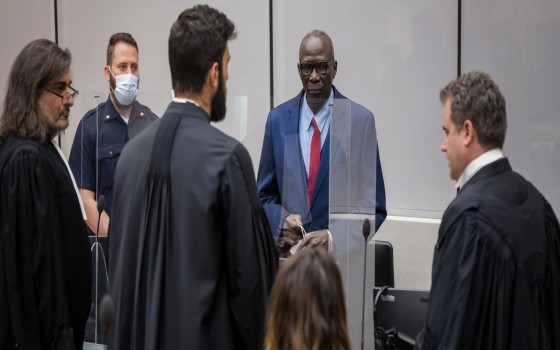
On 6 October 2025, the International Criminal Court found Mr. Ali Muhammad Ali Abd-Al-Rahman guilty of war crimes and crimes against humanity in Darfur, including murder, torture, and grave violations of human dignity. The judges of the Pre-Trial Chamber unanimously found him guilty on all counts. On 9 December, he was sentenced to 20 years' imprisonment for these crimes.
The judges of the International Criminal Court (ICC) concluded that Mr. Abdel Rahman is the Janjaweed leader known as “Ali Kushayb,” and confirmed his role as a direct perpetrator and accomplice in these crimes, as well as his responsibility for ordering them. They also confirmed his close ties to senior members of the Sudanese government, including Ministers Abdel Rahim Muhammad Hussein and Ahmed Haroun, both of whom are fugitives from the ICC.
Mr. Abdel Rahman’s conviction and sentencing represent several significant milestones. It is the first conviction resulting from a referral to the Court by the Security Council, the first conviction in the Darfur case, and the first conviction based on gender-based persecution before the ICC.
Of course, any relief this event may bring must be weighed against the profound and ongoing suffering we are currently witnessing in Darfur. But the people of Darfur have repeatedly assured us that this trial and conviction already represent significant and tangible results for the hundreds of thousands of victims who fled their homes in 2003 and 2004 and suffered at the hands of the Janjaweed. We pledge to them, to all the victims of Darfur, and to this Council today, that this first conviction will, in time, be seen not only as a milestone, but also as a catalyst for broader and deeper accountability for the crimes committed against the people of Darfur through the work of the International Criminal Court.
Mr. President, Your Excellencies, if we are to build on this progress, and if we are to ensure that the conviction of Ali Kushayb lays the foundation for further accountability, the broad and effective cooperation of our partners will be crucial. The scale of the suffering and crime in Darfur today can only be addressed by working together.
Over the past six months, we have seen key steps forward in our cooperation with a range of partners, which have laid the groundwork for the progress achieved. These steps include:
Close cooperation with a number of African countries, particularly the Government of Chad, which facilitated access to its territory, enabling us to conduct a number of interviews with members of affected communities;
Close cooperation with several African countries, particularly the Government of Chad, which facilitated access to its territory, enabled us to conduct a number of interviews with members of affected communities;
Strengthening cooperation with our civil society partners, including through dedicated in-person events held in several states to identify ways to work together more effectively in documenting crimes committed in Darfur;
Expanding cooperation with the United Nations Fact-Finding Mission in Sudan, as well as other United Nations partners, particularly with regard to gender-based crimes.
Despite this significant progress, our investigations continue to face major obstacles, including limited access to relevant witnesses and the lack of safe access to crime scenes. Many potential witnesses face serious safety challenges, making it essential that any contact with them be conducted in a way that ensures their full protection from intimidation or reprisals. In the face of these significant challenges, we need more support. In my report, I highlighted the key areas requiring additional assistance and resource investment from States, international and regional organizations, and our civil society partners. States, in particular, can play a pivotal role in supporting our work by:
Sharing satellite imagery and other relevant audio-visual and digital information and data;
Supporting the identification, screening, and interviewing of members of the Darfuri diaspora in local jurisdictions, including providing visas for Office staff to conduct these interviews; and seconding national experts in specialized technical fields to support the Office’s analytical activities.
We welcome any additional cooperation you can offer at this critical juncture.
I reiterate my call to cease all efforts to obstruct our work, whether through sanctions or arrest warrants against ICC officials. We have no time to waste in our pursuit of justice for the communities of Darfur. The real obstacles to accountability are already substantial enough without deliberate attempts to prevent any action towards accountability.
Mr. President, Your Excellencies, during our engagement with the Sudanese authorities during this period, we have witnessed further progress, with additional commitments to cooperation. Indeed, the Government of Sudan has supported additional missions by the Office of the International Criminal Court to Port Sudan and has responded promptly to some of our additional requests.
In this context, we are aware, and have had discussions also with authorities from the Government of Sudan, on the cultural and gender barriers to reporting such crimes to us, and indeed to any relevant partner. This places a responsibility on us to ensure that our investigations and outreach are conducted in a cultural and gender-sensitive manner, requiring a close involvement of the Office of the Prosecutor’s Gender and Children’s Unit, and requiring an ongoing focus on ensuring that our investigators are gender competent and culturally aware.
We are also aware that there are reports of Rome Statute crimes allegedly committed by the Sudanese Armed Forces in Darfur, and we are ensuring documentation of such reports. All parties involved in the conflict must ensure they meet their obligation under international law, and must not target civilian populations and facilities.
We call on all those who may have further information in relation to alleged crimes in El Fasher, Al Geneina and across Darfur, to come forward and provide this to the ICC, in particular through the secure online platform OTPLink. This is the moment to ensure that all of our collective efforts and all information held by our partners and affected communities are used in pursuit of our active investigations.
Mr President, Excellencies, as we have intensified our investigations in Darfur, we have also seen a significant, if only a first, step towards justice in The Hague.
On the 6th of October 2025, Mr Ali Muhammad Ali Abd-Al-Rahman was convicted by the International Criminal Court of war crimes and crimes against humanity committed in Darfur including murder, torture, and outrages upon personal dignity. The judges of the Trial Chamber unanimously convicted him of all charged criminal conduct. On the 9th of December, he was sentenced to 20 years imprisonment for these crimes.
Mr Abd-Al-Rahman was found by the ICC judges to be the Janjaweed leader known as “Ali Kushayb”, and confirmed his role as direct perpetrator and co-perpetrator, as well as confirming his responsibility for ordering the commission of these atrocities. They also confirmed his close connection to senior members of the Government of Sudan, including ICC fugitives Ministers Abdel Raheem Muhammad Hussein and Ahmad Harun.
The conviction and sentencing of Mr Abd-Al-Rahman represents several landmarks. It is the first conviction resulting from a referral by the Security Council to the Court, but also the first conviction in the Darfur situation as well as the first conviction on grounds of gender-based persecution at the ICC.
Of course, any relief brought by this moment must be set against the deep, ongoing suffering we see currently in Darfur. But Darfuris have underlined to us, again and again, that this trial and this conviction do indeed represent important, meaningful outcomes for the hundreds and thousands of victims who fled their homes in 2003 and 2004, and those who suffered at the hands of the Janjaweed.
It is our commitment to them, to all victims in Darfur, and to this Council today, that this first conviction will, in time, be seen not just as a landmark but as a catalyst for much broader, deeper accountability for crimes committed against the people of Darfur, through the work of the ICC.
Mr President, Excellencies, if we are to build on this progress; if we are to ensure that the conviction of Ali Kushayb sets the basis for further accountability, the expanded and active cooperation of our partners will be essential. The scale of suffering and criminality in Darfur at present can only be addressed if we work together.
In the last six months, we have seen some key steps forward in our cooperation with a range of partners, which have set the basis for progress made. They include:
Strong collaboration with a number of African States, and in particular the Government of Chad, which has facilitated access to its territory, thus enabling the conduct of a number of interviews with members of affected communities;
Deepened cooperation with our civil society partners, including through dedicated in-person events held in a number of States aimed at identifying ways to work more effectively together in the documentation of crimes committed in Darfur and;
Expanded engagement with the United Nations Fact-finding Mission for the Sudan as well as other UN partners, in particular with respect to gender-based crimes. Despite this notable progress, our investigations continue to face significant obstacles, including limited access to relevant witness populations, and the lack of safe access to crime scenes. Many potential witnesses face serious challenges related to their own safety, making it essential that any engagement with them is conducted in a manner that ensures robust protection against intimidation or reprisal.
In the face of these significant challenges, we need more support. I have highlighted in my report key areas where additional assistance and investment of resources are sought from States, international and regional organisations and our civil society partners. States in particular can play an even more central role in supporting our work, including by:
Sharing satellite imagery and other audio-visual and digital information and intelligence relevant to the investigation;
Supporting the identification, screening and interview of Darfuri diaspora in domestic jurisdictions, including through the provision of visas to Office staff to conduct such interviews; and by
Seconding national experts in specialised technical areas in support of the analytical activities of the Office.
We welcome all possible additional cooperation that you can provide at this critical moment.
And I also reiterate my call for all efforts to frustrate our work, through sanctions or arrest warrants against ICC officials, to cease. We do not have time to waste in our efforts to deliver justice for Darfuri communities. The real hurdles to accountability are already high enough without purposeful attempts to prevent action towards accountability
Mr President, Excellencies, in our engagement with Sudanese authorities in this reporting period, we have seen more progress, with further commitments for cooperation made. Indeed, the Government of Sudan has supported additional missions by the Office to Port Sudan, and has also responded promptly to some of the additional requests that we have submitted.
I was also pleased, upon the sentencing hearing in relation to Ali Kushayb, to welcome the Attorney-General of Sudan to the ICC, together with the committee established by Sudanese authorities for cooperation with the Office. The Attorney-General and I had candid discussions regarding the ongoing criminality in Darfur and across Sudan including the proliferation of gender‑based crimes throughout the conflict.
Our discussions were concrete, and positive, with promises of further cooperation that will make a real difference to our investigations. That promise is made not just to us but to this Council and to the victims of atrocities in Sudan, and we have every expectation that it will be honoured.
I want to also be clear on one key point: the Government of Sudan must work with us seriously, with focus, to secure the arrest of those individuals subject to ICC arrest warrants presently in Sudan: Omar Hassan Ahmad Al Bashir, Ahmad Harun and Abdel Raheem Muhammad Hussein. I underline again that Mr Harun in particular must be given priority. Action must now be taken to bring him to trial or for him to surrender voluntarily.
Mr President, Excellencies, to conclude, I wish to share the words of the courageous Darfuri victims in the courtroom of the ICC at the trial of Mr Abd-Al-Rahman, “Justice and asking for justice is a human request for a person to be treated with dignity and justice and equity. The natural existence of a human being requires this to be provided for. And so when people see that there is injustice towards a number of people or a certain individual, and there's nothing that they can do, there will be chaos, panic, fear and terror.”
That victim has now seen some justice. It is not enough, but the conviction of Ali Kushayb, based on the testimony provided by that witness and many other Darfuri survivors, has demonstrated that this Council, together with the ICC can provide a path to accountability for these crimes.
Our common task is now to widen the path that we have built, to allow more victims to walk down it so that they can receive the validation of truth-telling and justice that we saw at the ICC last October.
I have set out in my report and in this briefing how States and other partners can most effectively contribute to this work. I ask you to respond with the assistance we need. The greater the cooperation and support that our Office receives, the faster and more effectively we can deliver results.
We stand ready to work with all of you to deliver more for all victims, and to deliver a firewall of accountability to stop the further spiraling of atrocities in Darfur.


No Comments Found