

40 Years Since the Deadliest Nuclear Disaster in Human History: EU Warns Against Russia’s Continued Seizure of Europe’s Largest Nuclear Facility and Targeting of Power Plants in Ukraine

- Europe and Arabs
- Sunday , 26 April 2026 3:15 AM GMT
Brussels: Europe and the Arabs
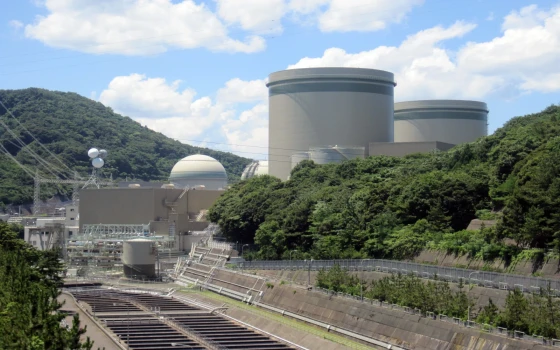
Forty years ago, the Chernobyl nuclear power plant disaster was one of the worst nuclear accidents in human history. Its horror, long obscured by Soviet secrecy, has only grown clearer with time. Even today, its legacy remains a stark reminder that ensuring nuclear safety depends on transparency, strong safeguards, and international cooperation. According to a statement issued by the office of Kajja Kallas, High Representative for Foreign Affairs and Security Policy, and distributed in Brussels, “However, Moscow’s continued attacks today on the ‘new safe containment’ at Chernobyl, the structure built to contain the debris of reactor No. 4, undermine decades of international efforts and €2.1 billion in investments made to mitigate the effects of the disaster. At the same time, Russia’s illegal seizure and continued occupation of the Zaporizhzhia Nuclear Power Plant, Europe’s largest nuclear facility, significantly increase the risks to human life and the environment. Similarly, Moscow’s systematic attacks on Ukraine’s energy infrastructure threaten the stable energy supply needed for the safe operation of nuclear facilities. On this somber anniversary, we call on Russia to immediately cease all attacks on nuclear facilities in Ukraine and to comply with the seven fundamental pillars of nuclear safety and security during armed conflict. Russia will be held accountable for endangering public safety and must compensate for the damage caused.” With this, and the return of full control of the Zaporizhzhia Nuclear Power Plant to Ukraine.
The European Union has long supported nuclear safety, security, and radiation protection in Ukraine, notably through funding exceeding €1 billion. The EU has also been the largest donor to the international funds administered by the European Bank for Reconstruction and Development (EBRD) to make the Chernobyl site environmentally safe.
Today, we reaffirm our commitment to the highest standards of nuclear safety, security, and safeguards worldwide. We call on the international community to continue and strengthen its support for Ukraine, including efforts to repair the new safety fence, and to collectively consider how to better protect nuclear facilities, especially in times of war. The G7 initiative to discuss Chernobyl site reforms at its upcoming meeting in May is an important step.
The EU has long supported nuclear safety, security, and radiation protection in Ukraine, funding activities worth more than €1 billion.
The EU has also been the largest donor to the international funds administered by the EBRD to make the Chernobyl site environmentally safe. The EU alone has contributed more than €423 million to the construction of the dome. The new safe dome at Chernobyl, and last year alone, through the Nuclear Safety Cooperation Instrument, the EU provided an additional €37 million for nuclear safety in Ukraine, part of which will support urgent repairs to the new safe dome. Final repairs to the damage caused by the Russian drone strike will require at least an additional €500 million. The EU will continue to support Ukraine and help ensure nuclear safety, security, and radiation protection.
The Commission's role is to ensure that Member States using nuclear energy adhere to the highest standards of safety, radiation protection, security, and non-proliferation. The EU has established a robust regulatory framework for nuclear safety, radiation protection, and radioactive waste management.



No Comments Found