


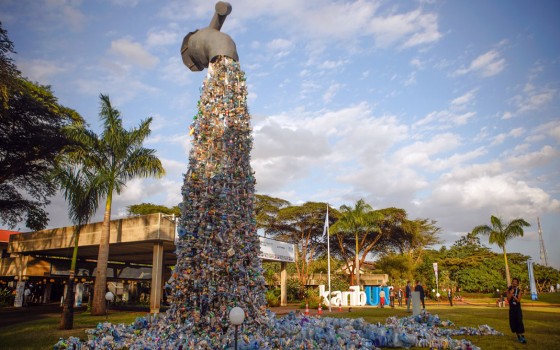
To Prevent Harmful Chemicals from Leaking into Food and Drink: International Call to Make Recycled Plastic Safer for Use

- Europe and Arabs
- Friday , 15 May 2026 5:44 AM GMT
Rome – New York: Europe and the Arabs
Governments and industries around the world are relying on recycled plastics to help reduce the waste crisis. However, converting old plastics into new food packaging presents a significant challenge: ensuring the material is safe enough for direct contact with what people eat, according to the UN Daily News. A new analysis from the UN Food and Agriculture Organization (FAO) states that recycled plastics and alternative packaging materials can help reduce waste, but only if recycling systems are carefully designed to prevent harmful chemicals from leaching into food.
Vittorio Fattori, FAO's food safety and quality officer, emphasized that plastic waste "is a growing global problem, and better and more efficient recycling is essential and part of the solution."
He stressed the need to improve efforts to reduce plastic pollution and promote recycling, adding, "We must also ensure that when we try to solve a problem in one area, we don't create new ones." Food packaging plays a key role in modern food systems, helping to preserve quality, extend shelf life, and reduce food loss and waste. Its market has grown rapidly, with its size projected to increase from $505.27 billion in 2024 to $815.51 billion by 2030. However, the increased use of plastic packaging has exacerbated the growing problem of pollution. While less than 10% of plastic waste is currently recycled globally, this percentage is expected to rise due to sustainability concerns.
A More Complex Recycling Process
Unlike many other recycled products, food packaging must meet stringent chemical safety standards.
Plastic food containers and wrappers can contain thousands of materials used in their manufacture, including stabilizers, coatings, dyes, and plasticizers. During the recycling process, additional contaminants may enter the waste stream due to improper sorting, environmental exposure, or previous consumer use. The studies cited in the FAO analysis found that recycled plastics may contain substances such as metals, flame retardants, phthalates, and persistent organic pollutants (POPs) at higher levels than virgin plastics.
At the same time, experts emphasize that certified recycled plastics for food use can be as safe as newly manufactured plastics when subjected to rigorous cleaning and disinfection processes and strict regulatory review. In the European Union, for example, certified recycled materials that come into contact with food must meet the same standards as virgin plastics.
In this context, Fattori said the report's findings show that while recycled plastics and alternative food-contact packaging materials may offer environmental benefits, "they may also raise some important questions about food safety."
He added: "Applying the principles of a circular economy is important, even essential; but it needs to be done correctly."
New Materials and Questions
The analysis also addresses alternative packaging materials, including bioplastics, plant fibers, and protein-based materials—materials that are increasingly being promoted as more sustainable alternatives to traditional plastics. But the term “bio-based” doesn’t always mean biodegradable. Some materials made from renewable sources—such as corn or sugarcane—are chemically similar to plastics derived from fossil fuels, while others are designed to degrade under specific conditions.
The report warned that plant-based packaging materials may carry risks associated with their agricultural origins, including pesticide residues, biotoxins, mycotoxins, and heavy metals. Protein-based materials may also allow allergens—such as gluten—to migrate into food.
Like traditional plastics, many alternative materials also rely on chemical additives to enhance their performance, and some still lack sufficient data on their long-term safety.
The report’s message is clear: alternative materials can help reduce plastic waste, but they still need rigorous food safety assessments before widespread use.
Microplastics and Nanoplasts
The report also addresses the growing public concern about microplastics and nanoplastics being found in food and beverages. Scientists have detected microplastics in human blood, lungs, breast milk, and placenta, confirming widespread human exposure to these particles.
Despite growing concerns, regulators still lack reliable and standardized methods for consistently detecting and measuring these particles, making it difficult to determine the clear risks they may pose to human health.
The analysis indicated that recycling facilities themselves may contribute to microplastic contamination, particularly during mechanical recycling processes that break down plastic into smaller fragments.
"It needs to start with stricter controls on recycling processes, including cleaning and the removal of chemical contaminants," said a FAO food safety and quality officer.
Fatorre added that many food packaging materials still lack sufficient safety data, highlighting the need for more research on how chemicals are formed and migrate into food.
Towards Unified International Standards
The results of the analysis are expected to inform ongoing discussions at the Codex Alimentarius Commission, the international food standards body established by the Food and Agriculture Organization (FAO) and the World Health Organization (WHO).
The report noted that countries currently employ different regulatory approaches to recycled plastics and food packaging, posing potential challenges to trade and consumer protection.
Fatorre said the FAO's role is to support countries, "by harmonizing regulations related to food safety, for example, those concerning packaging."
According to the report, harmonizing global standards would support robust, science-based risk assessments and simultaneously help countries strengthen their efforts to reduce plastic waste.




No Comments Found