

تشرذم اليمين المتطرف في أوروبا.. حرب إيران كشف انقسامه بين دعم ترامب والخوف من تداعيات المواجهة

- Europe and Arabs
- الأحد , 8 مارس 2026 5:38 ص GMT
بروكسل : اوروبا والعرب ـ وكالات
أثارت الحرب التي بدأت بالغارات الجوية الأميركية والإسرائيلية على إيران، والتي أطاحت بالقيادة الإيرانية العليا، حالة من الارتباك والانقسام داخل صفوف اليمين المتطرف في أوروبا، واضعة الأحزاب القومية أمام معادلة سياسية معقدة يصعب التوفيق بينها.
فالقوى السياسية الأوروبية التي تجمع عادة بين تأييدها لدونالد ترامب، وتعاطفها مع إسرائيل، ومواقفها المناهضة للإسلام، تجد نفسها في موقف حرج. إذ يصعب عليها تأييد حرب قد تكون لها انعكاسات مباشرة على المواطنين الأوروبيين، مثل ارتفاع أسعار الطاقة. وبعيدًا عن الإدانة الواضحة للنظام الإيراني، تحاول بعض هذه الأحزاب إيجاد توازن بين دعمها التقليدي لترامب والضغوط المتزايدة لإدانة تداعيات الحرب. بحسب ماجاء في تقرير نشره موقع شبكة الاخبار الاوروبية "يورونيوز" في بروكسل واضاف "في الأيام الأولى للنزاع، كان الصمت الأبرز من جانب حزب فيدس الحاكم في المجر. فـرئيس الوزراء فيكتور أوربان، الذي سبق أن أشاد بترامب واصفًا إياه بـ"صانع السلام" بسبب دوره في حرب غزة، لم يدن الهجمات على إيران ولم يؤيدها أيضًا.
ويخوض أوربان حملته لإعادة انتخابه على أساس خطاب "مؤيد للسلام"، متهمًا الاتحاد الأوروبي بتأجيج الحرب في أوكرانيا من خلال دعم كييف بالمال والسلاح. وقد حاول حل هذا التناقض عندما قال في مقابلة مع قناة ATV المجرية إن قصف إيران لا يمثل حربًا جديدة، بل هو "القضاء النهائي وإغلاق نقطة محورية سابقة لم تُحل".
المعضلة نفسها طالت حزب الرابطة الإيطالي، الذي دعا زعيمه ماتيو سالفيني مرارًا إلى منح ترامب جائزة نوبل للسلام، وروّج لسياسة عدم التدخل كأفضل استراتيجية في النزاعات الدولية، بما فيها الحرب في أوكرانيا.
وقال رئيس وفد الحزب في البرلمان الأوروبي باولو بورشيا لموقع يورونيوز: "نحن نفضل دائمًا الطريق الدبلوماسي"، معترفًا بأن القضية شديدة الحساسية، خصوصًا في ظل جدل داخلي حول استخدام القواعد الأميركية على الأراضي الإيطالية لشن هجمات على إيران.
مخاوف من "تجدد زعزعة الاستقرار"
بعض الأحزاب الأوروبية اليمينية المتطرفة حاولت الاعتراف بمخاطر الحرب دون توجيه انتقاد مباشر لترامب. فقد قال زعيما حزب البديل من أجل ألمانيا (AfD)، أليس فايدل وتينو شروبالا: "إن تجدد زعزعة الاستقرار في الشرق الأوسط ليس في مصلحة ألمانيا ويجب وضع حد له".
من جهته، حذر عضو البرلمان الأوروبي عن الحزب توماش فروليتش من أن "انهيار إيران سيكون كارثيًا"، مشيرًا إلى أنه قد يؤدي إلى موجات هجرة ضخمة، وارتفاع حاد في أسعار الطاقة، وسلسلة من التداعيات التي ستثقل كاهل السكان الأوروبيين. واقترح في هذا السياق إجراءات عاجلة مثل إعادة الالتزام بالفحم والطاقة النووية، ومعارضة أي نشر محتمل للقوات الألمانية في المنطقة.
كما تتصدر مخاوف الطاقة والهجرة جدول أعمال حزب المصلحة الفلمنكي اليميني المتطرف في بلجيكا، الذي أثار هذه القضية خلال نقاش في البرلمان البلجيكي، مستذكرًا التداعيات غير المباشرة لتدخلات الدول الغربية في ليبيا وسوريا.
وفي التشيك، يواجه حزب ANO الحاكم معضلة مشابهة. فوفقًا لمصادر داخلية، لا يريد الحزب انتقاد ترامب، لكنه في الوقت نفسه لا يرغب في اتباع الولايات المتحدة وإسرائيل بشكل أعمى، خصوصًا في صراع قد يؤدي إلى ارتفاع تكاليف الطاقة، وهي قضية حساسة في البلاد.
أما الصوت الأكثر انتقادًا فجاء من حزب التجمع الوطني الفرنسي. فعلى الرغم من موقفه المتشدد ضد النظام الإيراني، يتفق الحزب مع الرئيس الفرنسي إيمانويل ماكرون في أن التدخل الأميركي تم خارج إطار القانون الدولي.
وقال عضو البرلمان الأوروبي عن الحزب بيير-رومان تيونيه: "يجب أن يكون التغيير في إيران بيد الشعب الإيراني نفسه. فالتغيير المفروض من الخارج، خصوصًا عبر القصف الجوي وحده، ليس له أي مثال تاريخي ناجح".
في المقابل، تبقى قوى قومية أخرى مثل حزب فوكس الإسباني وحزب الحرية الهولندي وحزب الإصلاح البريطاني بقيادة نايجل فاراج أكثر ميلاً لدعم ترامب علنًا، مع تكييف خطابها السياسي بحسب جمهورها المحلي.
انقسام داخل البرلمان الأوروبي
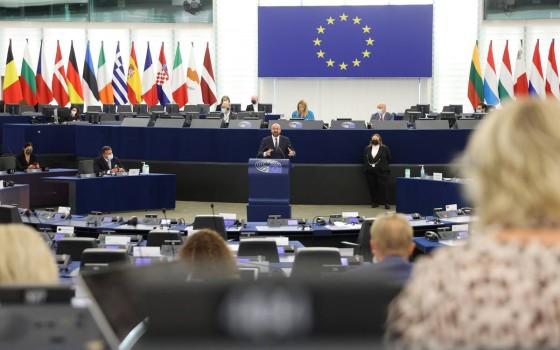
كل ذلك جعل من الصعب على الكتل اليمينية المتطرفة في البرلمان الأوروبي التوصل إلى موقف موحد من الحرب.
فكل من كتلة الوطنيين من أجل أوروبا (PfE) وكتلة أوروبا الدول ذات السيادة (ESN) تؤكدان رسميًا أن القرار في هذه المسألة يعود لكل وفد وطني على حدة.
لكن مصادر متعددة أكدت ليورونيوز أن الموضوع نوقش داخليًا وأنه يبقى شديد الحساسية داخل هذه المجموعات.
وقد يشكل الهجوم على إيران نقطة تحول في العلاقة بين حركة "ماغا" التي يقودها ترامب وبعض أبرز داعميها في أوروبا. فالغارة الأميركية على فنزويلا في يناير، إلى جانب تهديدات ترامب السابقة بالسيطرة على غرينلاند، ساهمت بالفعل في إضعاف صورته لدى بعض الأوروبيين الذين يضعون السيادة الوطنية في صلب خطابهم السياسي.
وبعد أن شعر العديد من السياسيين اليمينيين المتطرفين في أوروبا بالثقة عقب عودة القوميين المحافظين إلى السلطة في واشنطن، يبدو أنهم بدأوا الآن في إبقاء ترامب على مسافة سياسية.
وقال عضو بارز في البرلمان الأوروبي لموقع يورونيوز: "يبدو أن ترامب أصبح سامًا حتى بالنسبة لبعض ناخبيهم".
وأضاف: "خلف الكواليس، يحاولون إيجاد طريقة للنأي بأنفسهم عنه قبل فوات الأوان".
ولهذا السبب تسعى هذه الأحزاب إلى تقليل الاهتمام الإعلامي بمواقفها من الحرب. فقد رفضت الجماعات اليمينية واليمينية المتطرفة اقتراحًا بمناقشة التهديدات التي أطلقها ترامب ضد إسبانيا خلال الجلسة العامة للبرلمان الأوروبي الأسبوع المقبل، وهي مناقشة كان من الممكن أن تكون محرجة للغاية لها.
ومن المقرر عقد نقاش آخر أكثر عمومية حول تداعيات الحرب في الشرق الأوسط يوم الأربعاء المقبل في ستراسبورغ.
ويختصر أحد أعضاء البرلمان الأوروبي الموقف بقوله: "اختيار الوقوف إلى جانب ترامب أصبح معقدًا للغاية هذه الأيام… حتى بالنسبة لأنصاره".



لا يوجد تعليقات