

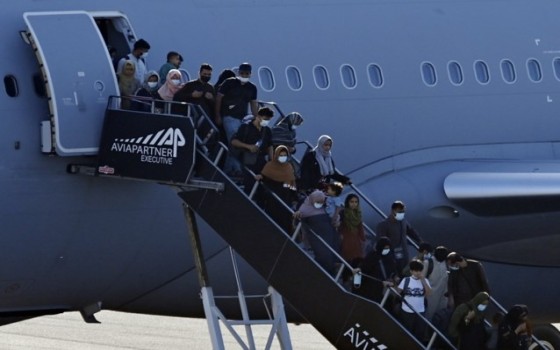
Foreigners from Algeria, Morocco, and Syria received the highest number of deportation orders from outside the European Union. The number of returnees increased by 8% in the first quarter of 2026.

- Europe and Arabs
- Tuesday , 30 June 2026 11:15 AM GMT
Brussels: Europe and the Arabs
In the first quarter of 2026, 108,475 non-EU citizens were issued deportation orders, while 34,550 returned to third countries after receiving deportation orders. Third countries are defined as countries that have a specific relationship with the European Union, such as negotiations for potential membership or advanced partnerships in various fields.
According to figures released by Eurostat, the European statistical office in Brussels, compared to the first quarter of 2025, the number of non-EU citizens issued deportation orders decreased by 12.8%, while the number of those returned to third countries increased by 8.1%.
Compared to the previous quarter, the number of non-EU citizens issued deportation orders decreased by 7.9%, while the number of those returned to third countries increased by 2.0%. Of the non-EU citizens ordered to leave an EU country in the first quarter of 2026, the largest number were from Algeria (11,105), Morocco (6,435), and Syria (5,355). Those returned to third countries were primarily from Turkey (3,555), Georgia (2,060), and Albania (2,050).
The highest number of non-EU citizens ordered to leave was recorded in France (34,880), Germany (10,360), and Spain (9,275). The lowest numbers of deportations were in countries such as Luxembourg and Malta.
The highest number of those returned to third countries was recorded in Germany (7,300), France (3,775), and Poland (2,660).


No Comments Found