

United Nations: Rapid Urbanization in the Arab Region Nears Global Rates, Presents an Opportunity to Generate New Wealth and Achieve Sustainable Development Despite Conflicts and Climate Change
Launch of a Regional Project to Support Ten Arab Countries – Including Egypt, Lebanon, Iraq, and Syria – in Assessing Housing Conditions

- Europe and Arabs
- Tuesday , 25 November 2025 7:45 AM GMT
New York – Doha: Europe and the Arabs
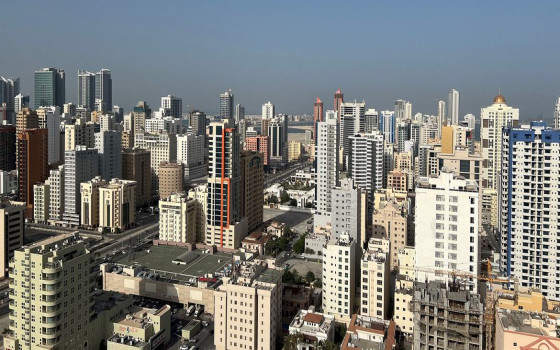
Rania Hedaya, Regional Director for Arab States at the United Nations Human Settlements Programme (UN-Habitat), affirmed that the rapid urbanization in the Arab region, which is approaching global rates, represents a significant opportunity to generate new wealth and achieve sustainable development, despite the considerable challenges posed by conflicts and climate change.
This came during an interview with UN News on the sidelines of the Second World Summit for Social Development in Doha, which recently concluded. UN-Habitat participated with a large delegation to discuss the role of urban development in addressing inequality.
Urbanization: An Engine for Development
Ms. Hedaya emphasized that the perception of rapid urbanization should shift from a challenge to an engine for growth, stating, "While some view rapid urbanization as a challenge, we see it as an engine for sustainable development if it is well-planned and effectively managed." She explained that the Arab region is witnessing an acceleration in urbanization rates, currently reaching between 50 and 60 percent, and is expected to reach 60 percent by 2050. She noted that urban growth and infrastructure expansion lead to increased land values, which "creates new wealth," emphasizing the importance of "possessing the necessary tools to invest this wealth for development."
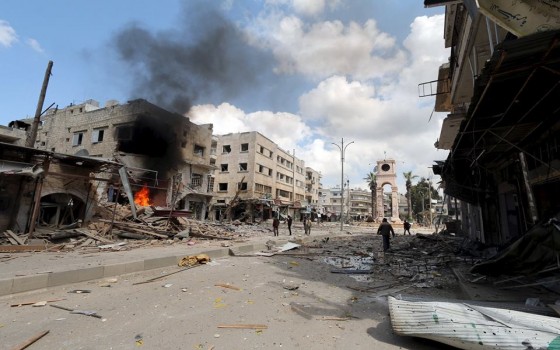
Regarding challenges, Huda pointed to conflicts and the rise of unusual environmental phenomena such as recent earthquakes and floods, particularly in Morocco and Syria, as well as the global housing crisis, which directly impacts social development. However, she stressed that opportunities are greater, especially in the post-conflict phase, where "rebuilding can be done better, incorporating sustainability and climate resilience standards." Housing is not just a building we live in.
The Regional Director emphasized that housing is a top priority for UN-Habitat in the Arab region, noting that the lack of adequate housing hinders social development and perpetuates poverty across generations: “Our core message concerns the issue of housing and the need to place it at the heart of any discussion about social development. Housing is not just a building we live in; it is a fundamental factor for dignity, security, and stability.”
Ms. Hedaya revealed the launch of a regional project to support ten Arab countries – including Egypt, Lebanon, Iraq, and Syria – in assessing housing conditions and developing strategic policies. She also highlighted the fruitful cooperation with the governments of Iraq and Egypt in launching and reviewing their national housing strategies.
She concluded by welcoming UN-Habitat’s inclusion of housing in the Doha Declaration, stressing that efficient urban development can make “a significant difference to economic development, the competitiveness of cities, and national GDP.” The Doha Political Declaration
Among other things, the Doha Political Declaration, adopted at the opening of the World Summit for Social Development, emphasized the need to: reduce inequalities within and among countries; promote gender equality; combat systemic racism; pursue policies that promote social justice; curb rising inequalities; ensure the fair and equitable distribution of income, wealth, and economic growth; and guarantee universal access to basic services, including healthcare and education, safe and affordable drinking water, adequate and equitable sanitation and hygiene services, adequate housing, electricity, digital and communications infrastructure, and social protection.







No Comments Found