

ذكرى مذبحة المسلمين في سريبرينتسا..تحذير أممي من تصاعد خطاب الكراهية .. الناجون يحذرون من إنكار الإبادة الجماعية ويواصلون صون ذكرى الضحايا

- Europe and Arabs
- الأحد , 12 يوليو 2026 7:38 ص GMT
نيويورك : اوروبا والعرب
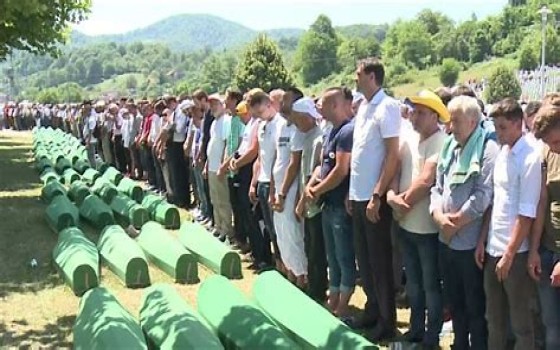
هذه هي السنة الثانية التي تحيي فيها الأمم المتحدة اليوم الدولي للتفكر في الإبادة الجماعية التي وقعت في سريبرينتسا في عام 1995 وإحياء ذكراها، الذي يصادف 11 تموز/يوليو.
وقال تشالوكا بياني، مستشار الأمم المتحدة الخاص المعني بمنع الإبادة الجماعية، إن المجزرة "ستظل إلى الأبد عبئا ثقيلا على الضمير الجماعي للمجتمع الدولي والأمم المتحدة والتاريخ الحديث لعالمنا".
ودعا إلى الوقوف دقيقة صمت تكريما للضحايا، وكذلك النساء والفتيات اللواتي تعرضن للتهجير القسري وعانين من التعذيب في أعقاب المجزرة.
وكانت محكمتان دوليتان تابعتان للأمم المتحدة، هما محكمة العدل الدولية والمحكمة الجنائية الدولية الخاصة بيوغوسلافيا السابقة، قد أقرتا بأن الأفعال المرتكبة في سربرنيتسا شكّلت إبادة جماعية
وحسب نشرة الاخبار اليومية للامم المتحدة التي تلقينا نسخة منها صباح السبت فقد أحيت الأمم المتحدة،، ذكرى أكثر من 8 آلاف رجل وفتى من مسلمي البوسنة قُتلوا في مدينة سريبرينتسا في تموز/يوليو 1995، كما كرّمت النساء والناجين الذين واجهوا مهمة إعادة بناء حياتهم في أعقاب تلك المأساة.
وكانت المجزرة التي وقعت في شرق البوسنة والهرسك أكبر عملية قتل جماعي تشهدها أوروبا منذ محرقة اليهود (الهولوكوست)، ومن بين أكثر الفصول قتامة في حروب البلقان التي اندلعت عقب تفكك يوغوسلافيا السابقة.
واجتاح جيش صرب البوسنة مدينة سريبرينتسا، التي كانت قد أُعلنت منطقة آمنة بموجب قرار مجلس الأمن التابع للأمم المتحدة رقم 819 لعام 1993.
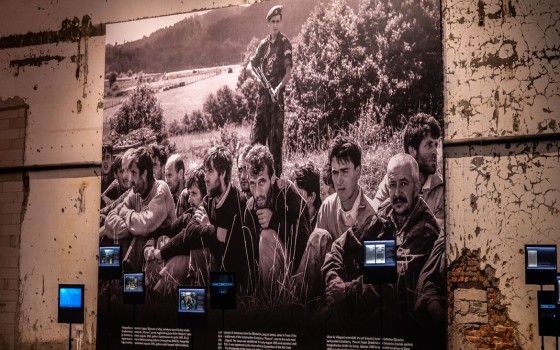
وكان العديد من الضحايا قد لجأوا إلى مجمع الأمم المتحدة في بوتوتشاري القريبة، طلبا للحماية لكنهم فُصلوا عن عائلاتهم، ثم أُعدموا ودُفنوا في مقابر جماعية.
بعد ثلاثة عقود على الإبادة الجماعية في سريبرينتسا يروي ثلاثة ناجين لأخبار الأمم المتحدة كيف يواصلون توثيق الحقيقة وحفظ ذاكرة أكثر من 8,300 رجل وفتى قُتلوا في تموز/يوليو 1995، محذرين من مخاطر إنكار الجريمة وتمجيد مرتكبيها.
وقُتل الرجال والفتيان من مسلمي البوسنة على يد قوات صرب البوسنة في المدينة الواقعة شرق أوروبا، رغم أنها كانت قد أُعلنت "منطقة آمنة" بموجب قرار صادر عن مجلس الأمن الدولي.
واعترفت الأمم المتحدة لاحقا بالمسؤولية الجماعية عن الإخفاق في منع وقوع الإبادة الجماعية في سريبرينتسا.
وقال ثلاثة من الناجين إنهم يواصلون عملهم في مركز سريبرينتسا التذكاري، بوصفهم أمناء للأرشيف في مركز سريبرينتسا التذكاري، لضمان رواية الحقيقة الكاملة عن الإبادة الجماعية وحفظها للأجيال.
ويقع المركز على الأرض نفسها التي لجأ إليها آلاف المدنيين طلبا للحماية تحت راية قوات حفظ السلام التابعة للأمم المتحدة.
ألماسا صاليهوفيتش، المتحدثة باسم مركز تذكار سربرنيتسا.:"كنت في الثامنة من عمري عندما نجوت من الإبادة الجماعية في سريبرينتسا. قُتل شقيقي، كما قُتل أعمامي من جهة والدتي ووالدي. وكان عدد الضحايا 8,372 شخصا".
عزير عثمانوفيتش: "على الطريق الرئيسي كان هناك حاجز، حيث جرى فصل الرجال والفتيان عن الآخرين. وبعد ذلك قُتل كثير منهم".
ألماسا صاليحوفيتش:"أؤمن إيمانا راسخا بأن التذكر يساعد على التعافي، ويساعد الأسرة أيضا على الشفاء. وفي كل مرة أروي فيها قصة شقيقي أو قصة عائلتي، أشعر بأنني أحكي قصة جميع الضحايا. اخترت العمل في مركز سريبرينتسا التذكاري قبل خمس سنوات لأنني كنت أرغب دائما في أن أقدم جزءا مني لجهود تخليد الذكرى، وأن أساهم في حفظ الذاكرة".
أمرا بيغيتش فازليتش:"غادرنا سريبرينتسا بين عامي 1992 و1995، لكنني قررت في عام 2003 العودة إليها ومحاولة استئناف حياتي هنا. لم يكن الأمر سهلا. معظم من قرروا العودة كانوا يفكرون في البقاء بالقرب من أحبائهم، واستكمال عمليات التعرف على رفاتهم، ودفنهم هنا في المركز التذكاري، حتى يكون لدينا مكان نزورهم فيه".
زير عثمانوفيتش، أمين متحف مركز سربرنيتسا التذكاري.
عزير عثمانوفيتش: "هذا جزء من تاريخنا، ومن واجبي أن أتحدث عنه، وأن أتحدث عن الإبادة الجماعية في سريبرينتسا، وعن كل ما عشناه هنا. إنها ليست قصتي الشخصية فقط، بل قصة آلاف الأشخاص الذين عاشوا حصار هذه المدينة. المركز يحتفظ بمقتنيات شخصية للضحايا عُثر عليها في المقابر الجماعية إلى جانب رفاتهم. هذا الحذاء يعود إلى ابن عمي. كان يبلغ من العمر 16 عاما عندما قُتل، كما قُتل شقيقاه أيضا".
ألماسا صاليحوفيتش:"أكثر ما يخيفني هو إنكار ما حدث. فهناك أجيال أصغر مني تنشأ اليوم على رواية زائفة تقول إن الإبادة الجماعية لم تقع، وإنه لم تُرتكب جريمة حرب، وإن الذين قُتلوا هنا كانوا مجرد جنود. أما نحن، فنتمسك بالحقائق".
أمرا بيغيتش فازليتش:"بحسب التعريف، فإن إنكار الإبادة الجماعية هو المرحلة الأخيرة منها. لكن للأسف، في البوسنة، أصبحنا اليوم نتحدث عن مرحلة أخرى، وهي تمجيد مجرمي الحرب".


لا يوجد تعليقات